Account-relevant subject
The model can represent equipment, infrastructure, a facility, a product, a technical system, a venue, or another subject the account already understands.
Strategic 3D Cards creates custom dimensional models that can be opened, handled, and kept on display inside the accounts your company wants to stay visible with.
The physical format is commonly opened, handled, kept on display, seen repeatedly, and discussed.
Each model is developed around a subject that already matters in the account: equipment, infrastructure, a facility, a product, a technical system, a venue, or another reference point with a reason to remain visible.
The model can represent equipment, infrastructure, a facility, a product, a technical system, a venue, or another subject the account already understands.
After the meeting, event, mailing, or sales touch is over, the model can still be sitting in the account’s environment.
The value is not only in the first impression. It is in what can happen after the model is opened.
The dimensional format gives the recipient a reason to open it and see what is inside.
The model is not just viewed; it can be picked up, opened, moved, and shown.
Because the subject is relevant, the model has a reason to stay on a desk, shelf, counter, or shared workspace.
Once displayed, it can be noticed again during ordinary work, not only during a scheduled sales interaction.
The physical object can become something people ask about, show to others, or remember when the next conversation happens.
These examples show how industrial, equipment, and enterprise subjects can be translated into physical models with a reason to stay visible inside your target accounts.
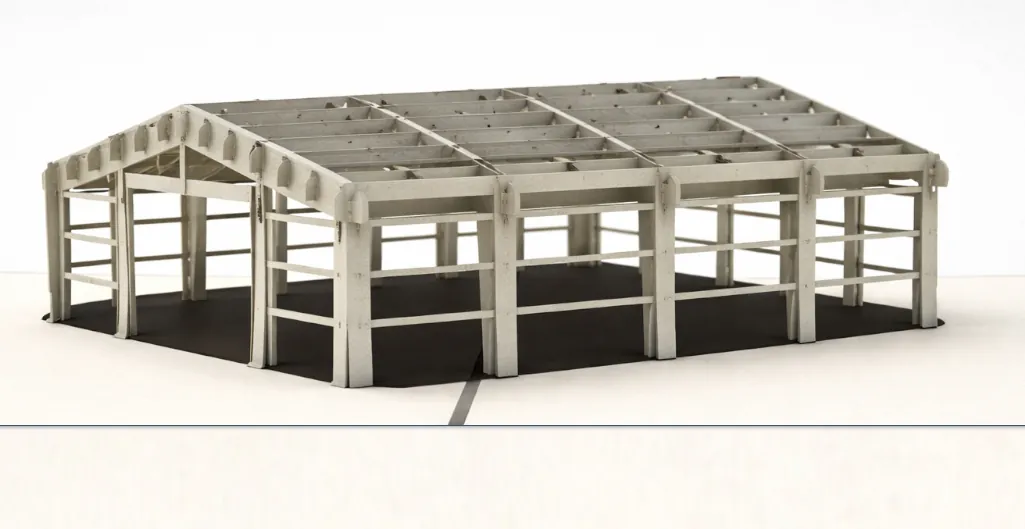
A dimensional subject connected to construction, fabrication, and the built environment.
View case study →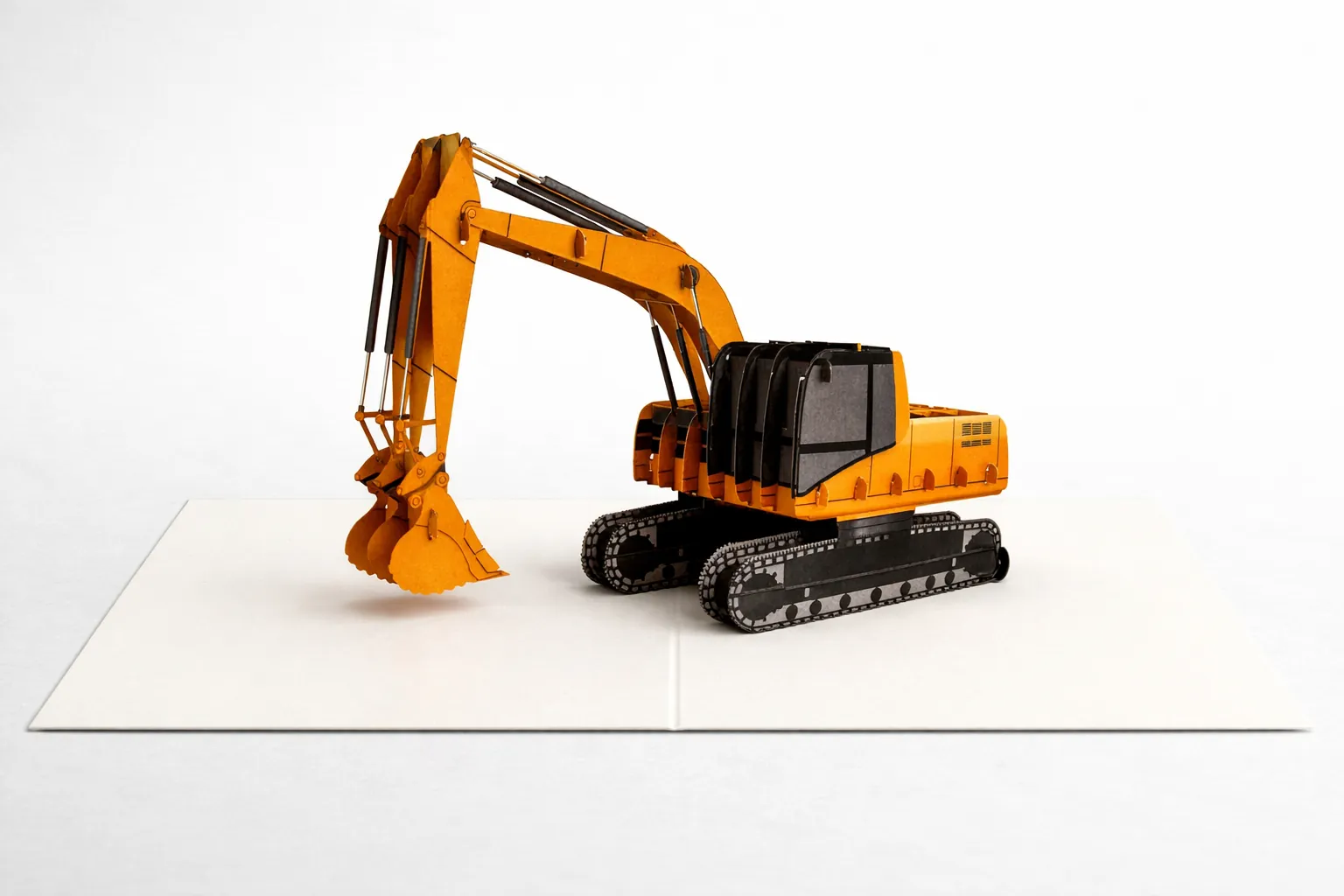
A recognizable equipment subject translated into a dimensional model for account conversations.
View case study →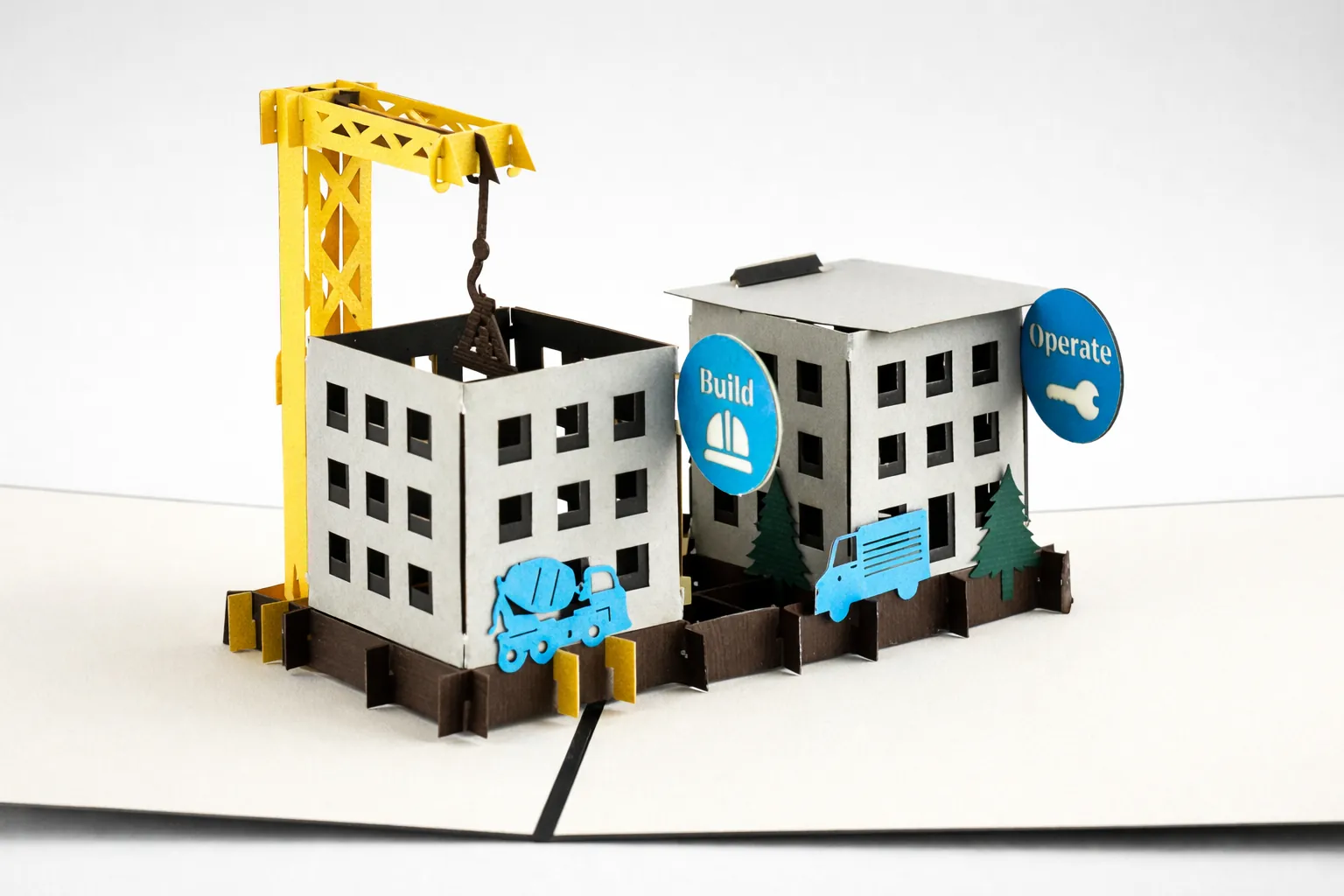
A technical or product concept made tangible through a physical dimensional model.
View case study →The strongest fits usually involve an important account, a meaningful subject, and a reason the model could remain visible after the first meeting, event, or sales interaction.
Choose the next step that fits where you are: request more information, explore possible campaign options, or book a planning session for a specific deployment.